
Hi everyone! It’s Michael Gortenburg here.
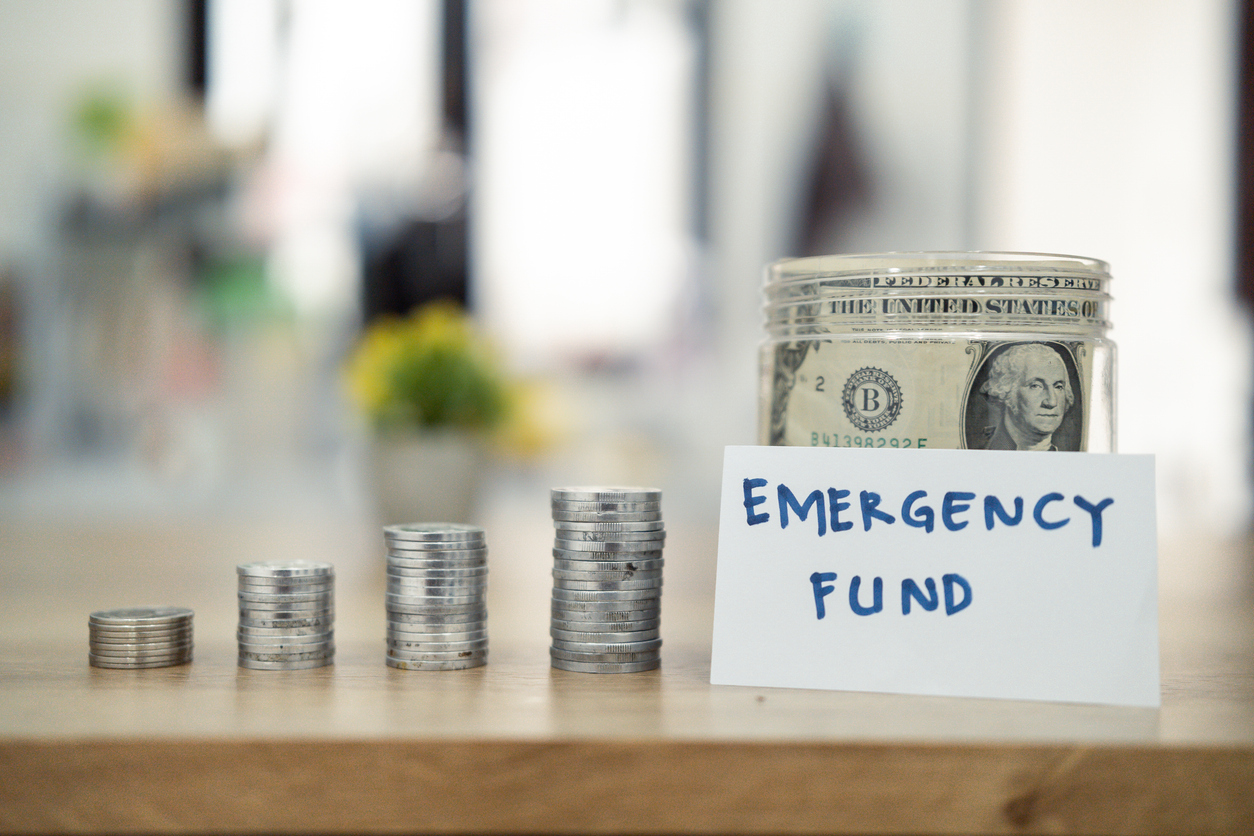
An emergency fund is one of the most important parts of a strong financial foundation. It is money set aside for unexpected expenses, which can include medical bills, car repairs, home issues, or a sudden loss of income. It is NOT for vacations, shopping, or planned expenses. Keeping this boundary clear is what makes your emergency fund effective.
Still, many people struggle to build one that truly works when life throws a surprise their way. The good news is that creating an emergency fund does not have to be complicated or overwhelming. With a clear plan and simple habits, you can build savings that actually protect you.
Below are practical steps to help you create an emergency fund you can rely on.
Decide How Much You Really Need
A common rule is to save three to six months of essential expenses. Focus on what you must pay each month, such as:
- Housing
- Utilities
- Food
- Transportation
- Insurance
Start with a smaller goal if needed. Even $500 to $1,000 can make a big difference in an emergency.
Keep It Separate and Easy to Access
Your emergency fund should be:
- Separate from your everyday checking account
- Easy to access when needed
- Hard enough to reach that you won’t spend it casually
A high-yield savings account is often a good option. It keeps your money safe while earning some interest.
Build It Slowly but Consistently
You do not need to save a large amount all at once to build an effective emergency fund. Consistency matters more than speed, and small, regular actions can lead to real results over time. Setting up automatic transfers, saving a portion of each paycheck, and putting bonuses or tax refunds toward your fund can help you grow your savings steadily without feeling overwhelmed.
Refill It After You Use It
If you ever have to dip into your emergency fund, don’t see it as a setback. That’s exactly what the money is there for. Life happens, and the fund did its job by helping you get through it. Once things settle down, take a moment to reset and make a plan to build it back up. Ease back into your regular saving routine and, over time, bring the balance back to where it should be.
Avoid These Common Mistakes
To make sure your emergency fund truly does what it’s supposed to do, don’t invest this money in the stock market or tie it up in anything risky. Remember, you want it there when you need it. Keep it separate from your everyday spending so you’re not tempted to dip into it for non-emergencies, and don’t forget about it once you hit your initial goal. An emergency fund isn’t meant to be exciting. It should be simple, stable, and dependable, quietly doing its job in the background until you need it.
A strong emergency fund gives you peace of mind and a sense of control when life gets unpredictable. It helps you think clearly, make better decisions, and handle unexpected expenses without unnecessary stress. Just start where you are, stay consistent, and don’t worry about being perfect. With time and steady effort, your emergency fund will grow into one of the most valuable tools you have for protecting your financial future.
Building an emergency fund is one of the smartest ways to stay financially prepared, and that same mindset becomes even more important when you’re making major decisions like buying a home. Check out my blog about the hidden costs many new homebuyers don’t always anticipate!
Michael Gortenburg, Founding Principal of Eighteen Capital Group (18CG) in Kansas City, Missouri.
 Michael Gortenburg