As an avid traveler, I always appreciate a great view. There are so many natural wonders across the globe for us to visit, and I’m lucky to have witnessed some beautiful ones. Here are some of my favorite national parks that I’ve seen in the U.S.:
Yellowstone was the United States’ first national park, and 150 years later, it continues to bring in tourists for its geothermal features and wildlife. Just make sure you keep to the designated trails! The wildlife here is beautiful to view from afar but dangerous up close.
The Grand Canyon is famous for a reason. The grand scope of the features is almost overwhelming, with years of running water forming stunning rock faces. If there’s any national park in the U.S. on this list you should visit at least once, it’s this one.
This historic commemoration of the Lewis and Clark Expedition spans 4,900 miles of the United States. My home state of Missouri is one of the 16 states it crosses through. On the trail, visitors get to follow the trail’s legendary history.
The state of Alaska has many natural wonders to observe. At Glacier Bay National Park, visitors get an upfront look at stunning glaciers that make them forget they’re in the coldest state in the U.S. This park contains 3.3 million acres of mountain, beautiful glaciers, deep fjords, and a temperate rainforest, so you’ll be sure to find something that captures your attention.
Mammoth Cave is the world’s longest-known cave system and home to a diverse group of plant and animal life. I highly recommend booking a guided cave tour when visiting. The park also has different tours to fit different fitness levels and accessibility so anyone can join in.
Florida’s beaches often hog most tourists’ attention, but there’s another natural wonder for outdoor lovers to enjoy. The Everglades National Park provides an up-close look at the Everglades’ unique flora and fauna through winding trails and guided tours.
Americans have many natural wonders just a car ride away, with different climates and wildlife to suit your travel preferences. I highly encourage taking the time to plan out a trip to witness one of these for yourself.
If you want to see other beautiful destinations I’ve visited in the U.S., check out my blog here.
Staying organized increases my productivity and, more importantly, reduces my stress. Unsurprisingly, a messy room can be a significant stressor, with some medical professionals saying a clean room can benefit your mental health. Here are some tips on how to stay organized so you can be the best version of yourself and reenergize your living space:
Take it one step at a time
When looking at a cluttered area, it’s easy to find yourself overwhelmed by the task ahead of you. It helps when I focus on just one corner of the room at a time. If you’re decluttering your kitchen, go from one end of the counter to the other, putting away items and cleaning as you go.
Have a designated place for a “junk” pile
We all have small everyday items that get lost easily. Whether it’s your car keys, spare change, or rubber bands, having one place to put your clutter will help keep your space clean. This keeps extra junk from cluttering up other areas where you need space for something else. It might help to keep items you’ll always need as you walk out the door close to your entryway.
Schedule your organization
Use a calendar to mark when you plan to declutter and reorganize. These check-ins will keep you on track with your organization goals and help you sustain them for the long run. For example, you could designate the first Friday of every month as when you’ll clean and organize your bedroom.
Learn to let things go
The fastest way to get overwhelmed by clutter is to refuse to let go of anything. Even if it’s just once a year, set aside time for you to reexamine your items and decide what can be given up to make more space. I’ve found Marie Kondo’s method the most helpful when determining what items should or shouldn’t be kept. You don’t have to part ways with every sentimental thing you own, but it’s beneficial to reevaluate what you’re saving because you love it and what you’re keeping because you feel bad about getting rid of it.
Though cleanliness and organization are not the end-all-be-all solutions, it is one way you can aid your stress levels. Out of all the stress-inducing things in your life, cleaning is the one you have the most direct control over, so take advantage of it!
If you want to read my tips on being more efficient, check out my blog here.
Traveling to faraway destinations expands our perspective, but sometimes getting there can be rough. Some of the flights to these destinations can reach up to 24 hours, making for an unpleasant experience no matter how well seasoned of a traveler you are. Here are some of my tips on how to prepare for a long-haul flight:
Move Around When You Can
Take advantage of your time in the terminal while you can. Before getting on the plane, take a lap around the terminal and try to get in as many steps as you can before boarding. When it’s safe to move in the cabin, try to stretch briefly in the aisles periodically. It’s never comfortable being cooped up in the same position for long, so don’t forget to stretch your muscles.
Pack Your Own Snacks
Depending on which airline you use, long-haul flights are more likely to provide meals and snacks for you to choose from. However, if their meal selection isn’t up to your taste and their snacks do little to satisfy your appetite, your own snacks will help keep your stomach happy during your travels.
Stay Hydrated
Airplane bathrooms are never ideal to use, but with that many hours of travel ahead of you, it’s best to make proper hydration a priority. Don’t skimp out on drinking water because you want to avoid the bathroom at all costs. You don’t want to arrive at your destination with a headache. Instead, drink water regularly so you can be ready to take on your itinerary when you land.
Try to Adjust Your Sleep Schedule
Jet lag when traveling for long periods of time across time zones is inevitable. But with so much time on your hands, you may as well try to adjust your schedule while you can. Better now than in the middle of your vacation. Try taking something natural like a melatonin pill to help you fall asleep outside your usual timeframe.
Get Your Entertainment Ready
Download any music, movies, or TV shows in case the in-flight Wi-Fi is down, or the provided movie selection isn’t to your taste. The last thing you want is to be stuck for ten or more hours with nothing to do because you forgot to download your favorite movies or shows beforehand.
If you prepare properly for a long-haul flight, you can make the most of your time and savor it as part of the travel experience.
If you want to read more of my traveling tips and tricks, check out my blog here.
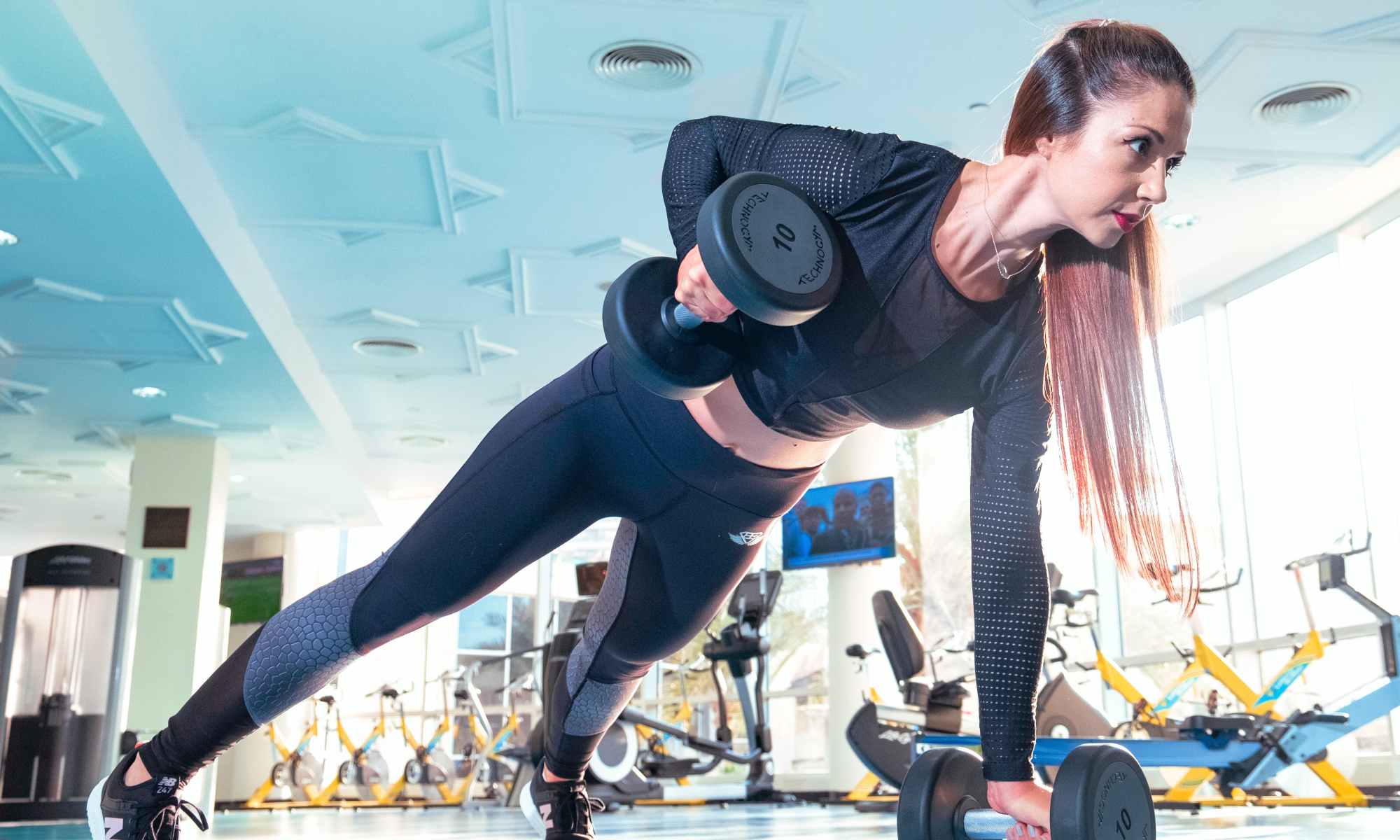
Exercise is undoubtedly vital to staying healthy, but it’s easy for busy people to let it fall by the wayside. According to the CDC, only 28 percent of Americans exercise as often as they should. I know it’s not just a matter of telling you to make time for it, so here are some tips on how to exercise more often:
Exercise with a friend
It’s much easier to feel motivated to exercise when someone else is there to hold you accountable. Unlike an exercise class full of strangers, you’ll feel more comfortable expressing your limits at the gym or while working out outdoors. It’s also a chance to catch up with your friend more consistently.
Sign up for a class
If you’re like me, you are more inclined to participate after signing up for a class. Cancellation fees can be an excellent motivator for getting out the door and going to class. There are plenty of options for you to find, from spin classes to Zumba to rowing. No matter where you are in your fitness journey, there’s sure to be a class that fits your comfort level.
Find something you want to do
Exercise doesn’t have to be a chore. There are plenty of serotonin-producing activities that are fun and healthy. If you like to dance, there are plenty of classes and free tutorials on Youtube you can use as a starting point in your fitness journey. If you have mobility issues and find exercise painful, consider a swim aerobics class. Even just a 30-minute walk around the neighborhood is great for getting outside and raising your heartrate.
Don’t push too hard too fast
Everyone has to start somewhere. It can be easy to get fixated on your long-term health goals and forget the smaller steps it takes to reach them. If it’s been a while since you exercised regularly, start slow. You might be tempted to go hard right from the start, but whatever exercise you’re doing should be part of a lifelong commitment to staying active, and it’s much harder to do that if you burn out early.
Exercise is a great lifelong habit, but it can be challenging to maintain when forcing yourself to do something you don’t enjoy. I hope these tips help you figure out where to add exercise to your routine.
Hi everyone! Michael Gortenburg here! Over the course of my career, I have always put focus on how to make housing more energy-efficient and environmentally friendly.
In 2022, it is easier to make environmentally-friendly changes to your home that will save energy and money. If you dread getting your electric or gas invoice every month, here are a few upgrades you can make to help shrink your bill.
Solar Panels
If you are looking for a new way to power your home, consider installing solar panels on the roof of your house. Solar panels convert sunlight and heat into energy and reduce your reliance on the more traditional power grid. You can use the energy directly or store it for later use. While this option can be a bit costly, it is a long-term investment in using a renewable and sustainable resource that will save you considerable money down the line.
LED Lights
LED lights are the most energy-efficient bulbs on the market, so you can have incandescent lighting without the environmental impact. Unlike halogen or CFL bulbs, LED bulbs don’t radiate as much heat. They don’t emit UV rays or contain any toxic materials like mercury. LEDs are also incredibly durable, some even lasting up to 20 years without going out, saving you money every year.
Smart Thermostat
Another must-have piece of green tech for your home is a smart thermostat. As summers get hotter and winters get colder, you may find yourself adjusting your thermostat more and more just to stay comfortable at home. Smart thermostats control the temperature for you, making sure that your home stays the perfect temperature regardless of if you need heat to keep warm or air conditioning to cool off.
Smart Power Strips
We are all familiar with the traditional power strip. You know, the ones that plug all of your cords into a single outlet? If you keep those strips on even when you aren’t using your devices, you might not be thinking about how much energy you’re still using by keeping them plugged in. If this sounds like you, consider switching to a smart power strip. This piece of tech uses a remote to turn off the device and save energy, money, and the environment.
Making your home environmentally friendly is an investment that shouldn’t break the bank. Adding green tech to your house is a simple way to live a more sustainable and energy-efficient life. Do you have any green tech in your home already? Let me know on social media!
Whether you love spending time
in nature or rarely see the light of day, one thing that we can all agree on is
that it’s important to preserve the environment. It’s a hot button issue these
days that weighs on almost everyone’s mind, and for good reason. As the world
advances industrially, we’ve began to notice just how much pollution we are
putting out on a global scale and it’s a tragedy.
Perhaps the biggest culprit of
global pollution is the use of plastics. Piping, bags, electronics, containers,
straws, plates, bottles, wrappers – almost every industry and aspect of modern
convenience makes use of plastics. It is the go-to material for industries like
packaging and manufacturing because of its cheap production costs and general
usefulness.
But no matter how convenient plastics may be for our lives, it
is affecting our environment in ways that are hard to imagine. As most plastics
are non-biodegradable, it poses a very real problem for future generations,
wildlife and natural ecosystems all over the planet. Plastics collect and destroy
marine life when they reach oceans, they clutter and contaminate rivers, they
endanger land animals. Plastics also commonly contain toxic chemicals that seep
into the soil and water of our neighborhoods. On top of it all, nothing ruins
the beauty of our world more than piles of multi-colored junk.
The threat of ocean pollution from plastics is so high, that
some experts believe that we may eventually have more plastic in the oceans than
fish.
This problem doesn’t just come from the United States – in fact,
most ocean pollution can be contributed to manufacturing powerhouses like India
and China. We are experiencing a global crisis that will require a global
effort to address.
Shifting to Other Materials
As mentioned above, the heavy reliance on plastics in almost
every industry can largely be attributed to the low cost and flexible use of
the synthetic material. Companies can create gadgets, furniture, or other items
for an inexpensive rate – then upsell the product for a profit at the market.
But while this may be the most profitable move on the part of
businesses, it simply is not worth the long-term cost to our planet. One
approach to addressing the crisis is to shift manufacturing towards natural and
eco-friendly materials, like wood, glass and metal. There are many advantages
to switching to these types of materials. They’re more natural, easier to
recycle for multiple uses and easier to dispose of.
Of course, we also have to be responsible in regard to
maintaining our forests – but preparing and maintaining forests is easier than
sending the world into a plastic death spiral. Additionally, there will be
an added cost to products as businesses will have to spend more in manufacturing
their products, but that is a reality that we will all eventually confront one
way or another.
If we have to rely on plastics, there are in fact eco-friendly
synthetics that we can use. There are ways to manufacture plastics out of
natural materials like corn, instead of relying on petroleum. They too might be
a little more expensive and harder to find, but as consumers become more
environmentally conscious – businesses will likely adapt.
Recycling
The other immediate alternative is to encourage sweeping
recycling efforts. The good news is that this process has been underway for a
couple of decades and is only getting stronger as younger generations are
waking up to the issues that will affect their world. Most kids these days are
being taught about the importance of recycling in their schools and the effects
of plastic on our environment.
This education is slowly starting to emerge. It’s now
commonplace to see paper bags being used at grocery stores and cities are
making an effort to make recycling a more convenient option for their citizens
with increased recycling centers and organized programs.
Industries of all types are also starting to switch from paper
to digital solutions for their day-to-day needs. Sure, many of our electronics
rely on limited natural resources and still make use of plastic – but the
digitization of our workspaces saves a lot of plastic from being used.
Continued Education
Ultimately, it will require a
continued effort in education to raise awareness about our environment and its
long-term health.
And there are actionable steps
that we can take. You may consider joining or donating to reputable
organizations that seek to make a difference. You can also talk with friends
and family to encourage them to take action in their lives in practical ways.
Just maintaining an awareness of the issue will naturally inspire change and
every little effort adds up to build massive results.
We all want the same thing: a
clean, beautiful and natural world that can sustain generations to come.
Together, I am optimistic that we can achieve that vision.




 Michael Gortenburg